
Local Bee Removal Services You Can Trust
Choose Local Kent Bee Removal Specialists
Bees are essential to the habitat throughout Kent, but they can pose a health and safety risks if they build nests inside your home or business premises. While most bee species in the UK are solitary bees, there are several social bee species, including bumblebees and honey bees, which create large nests and often swarm when they feel threatened.
As such, it’s vital that you work with a professional team that can relocate bees in a safe and ethical manner, protecting the bees and your property. At Fen Pest Control, we work with local beekeepers to ensure the safe relocation of bees from your property to a private hive.
So, for expert bee relocation across Chatham, Gravesend, Heathfield, Hastings, Maidstone, Tenterden, Tunbridge Wells, Ashford, Canterbury, Dartford, Eastbourne, Tonbridge, Sevenoaks, Rochester, Dover, Folkestone, Margate, Whitstable, Faversham, and beyond, call 01580754839.
Accreditations





The Importance Of Professional Bee Nest Removal
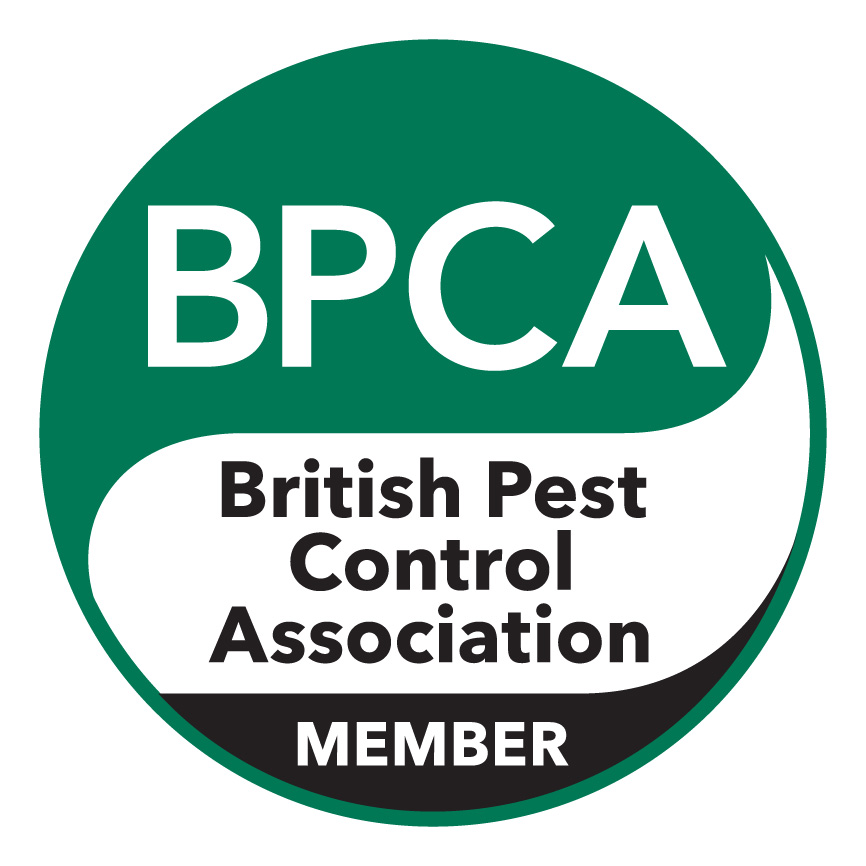
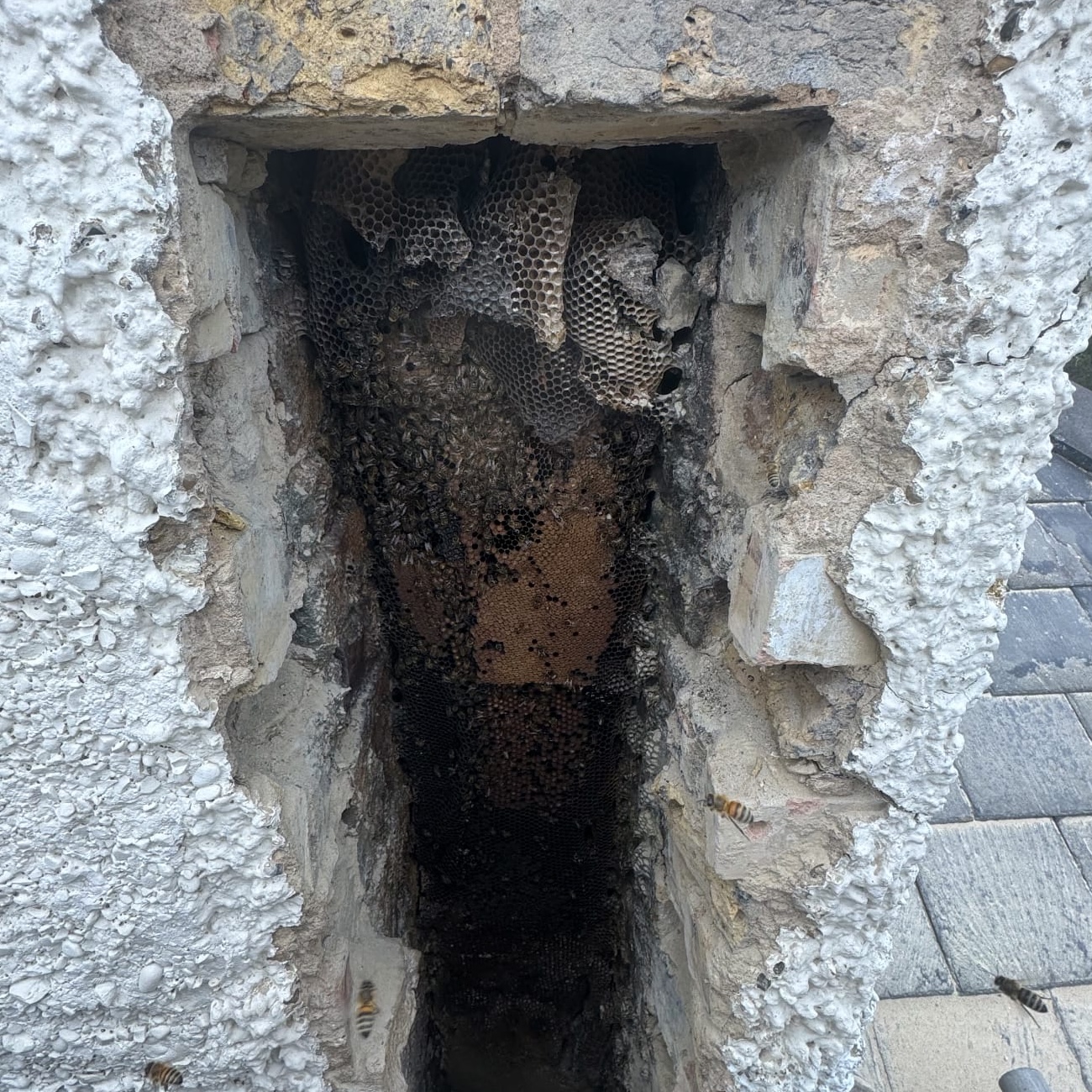
Bees are a vital part of the ecosystem, and important pollinators, but they can also cause issues if they decide to build their nests inside your property. Bees often like to build nests in awkward locations, such as wall cavities, chimneys and roofs, and these may require specialist skills and even minor building work to remove the nest safely, without causing further property damage.
Additionally, bee removal can be dangerous if you don’t have the right personal protective equipment. While bees don’t sting as often as wasps and hornets, they can use their painful stings if they feel threatened, which can cause skin irritation and even anaphylactic shock in people who are allergic to bees.
That’s why the safest way to get rid of bees is to book professional bee removal. Using cutting-edge thermal imaging and PPE, Fen Pest Control can carry out bumblebee and honey bee removal across Kent. Book your live bee removal service by getting in touch today.
Why Choose Fen Pest Control For Bee Removal Kent?
RSPH/BPCA Fully qualified level 2 and 3 technicians
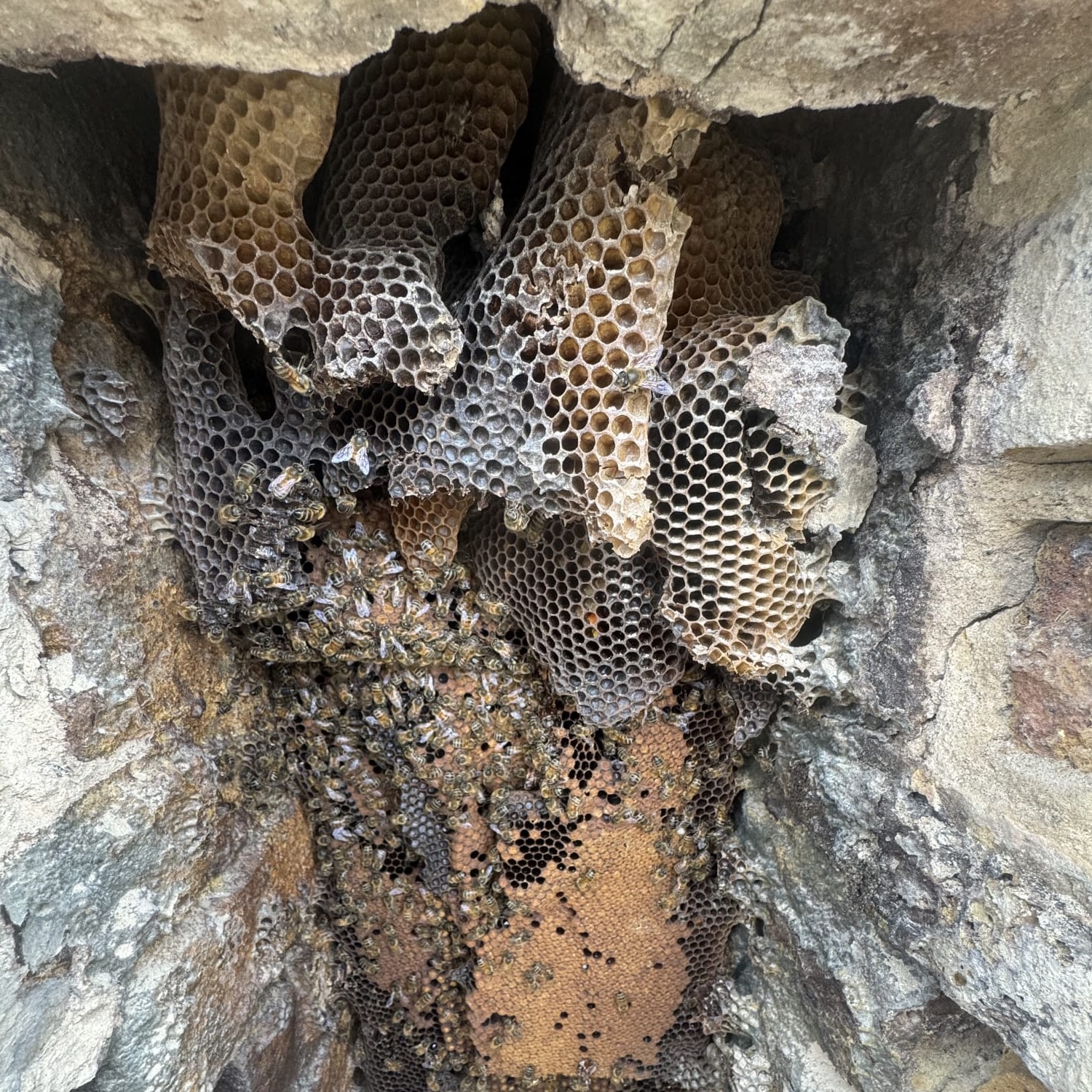
Specialists in use of Thermal Imaging to identify bee nests in wall cavities and other areas
£10m Public Liability and Employers Liability Insurance Cover For Peace Of Mind
Members of BPCA & NPTA
Safe removal of bees and bee nests
Over 90 years combined experience in the humane relocation of bees
Our Bee Removal Process

Friendly Contact

Bee Removal

Relocation Of Bees

Site Visit

Nest Cutouts

Full Report Of Work
Bee Removal Kent
Frequently Asked Questions
How Many Bee Species Are There In The UK?
There are around 270 bee species found in the UK, the majority of which are solitary bees. Solitary bees live alone for most of their lives, and build nests underground or in trees and bushes, meaning they are not usually an issue for humans. There are also several species of social bees, including multiple types of bumblebees and one species of honey bees, called European honey bees. Bumblebees and honey bees are part of large bee colonies, and build nests made from wax that can cause issues when found on property or in populated public areas, such as school playgrounds or sports fields.
Are Bees Legally Protected?
In the UK, no species of bee is specifically protected by the Wildlife and Countryside Act, and bees also do not fall under the Animal Welfare Act as this doesn’t apply to invertebrates. However, over recent years around 13 bee species have gone extinct in the UK, and around 35 others are at risk. With bee numbers falling and causing ecological issues, pest control companies like Fen Pest Control avoid killing bees where possible. Instead, our team always aim to safely relocate them to ensure bee conservation and protect bee populations.
What Is The Difference Between Bees And Wasps?
Bees and wasps might look similar, with their yellow and black stripes, but they are completely different insects. Bees are entirely vegetarian and collect pollen to turn into honey. Wasps are also pollinators, but they are also predators who eat other insects, such as aphids. Wasps also don’t produce honey, and wasp nests are made from chewed wood pulp instead of wax. From a practical point of view, the main difference between bees and wasps is that bees can only sting once, and then they die. As such, bees only sting when they are feeling extremely threatened. Wasps can sting multiple times in their lives, so are more likely to sting than bees. Also, fewer species of wasps are endangered than bees.
Where Do Bees Build Nests?
Most solitary bee species build nests underground usually inside abandoned rodent burrows. Social wasps, like honey bees and bumblebees, build nests inside other structures, such as hollow tree branches, bird boxes, cavity walls, chimneys and other tight spaces.
What Is The Quickest Way To Get Rid Of Bees?
The quickest and most effective way to get rid of bees is to use professional pest control services. Fen Pest Control offers fast bee removal, and will ensure bees are relocated in a safe and ethical manner. This approach ensures that the bees are protected and that they are removed from areas where they could cause property damage or health risks for humans, livestock and pets. Let us remove bees from your property by getting in touch today.
Get in Touch
Get in touch and an expert member of our team will contact you within 24 hours; or call now 01580 754839.